TMJ Treatment in Dunedin, FL | Jaw Pain Relief with Chiropractic & Needle-less Acupuncture
Discover how chiropractic care and needle-less acupuncture may help support digestive health, reduce bloating, improve nervous system function, and promote overall wellness in Dunedin, FL and throughout Pinellas County.
TMJ Disorders and Jaw Pain Relief in Dunedin, FL with Chiropractic & Needle-less Acupuncture
For many residents throughout Dunedin, FL and Pinellas County, temporomandibular joint (TMJ) disorders contribute to chronic pain, headaches, facial tension, neck discomfort, ear symptoms, and difficulty opening or closing the mouth comfortably.
Many people are surprised to learn that TMJ dysfunction often extends beyond the jaw itself. The jaw, neck, upper back, nervous system, and surrounding muscles all work together. When dysfunction develops in one area, symptoms may appear throughout the entire region.
At Bach Chiropractic, we help patients throughout Dunedin and Pinellas County pursue natural, conservative relief through chiropractic care and needle-less acupuncture. By supporting healthy joint function, reducing muscular tension, and improving nervous system regulation, we help patients improve comfort and overall function.
What Is the TMJ?
The temporomandibular joints connect the lower jaw (mandible) to the skull.
You have one TMJ on each side of your face.
These joints are among the most frequently used joints in the body and are involved in:
Chewing
Speaking
Swallowing
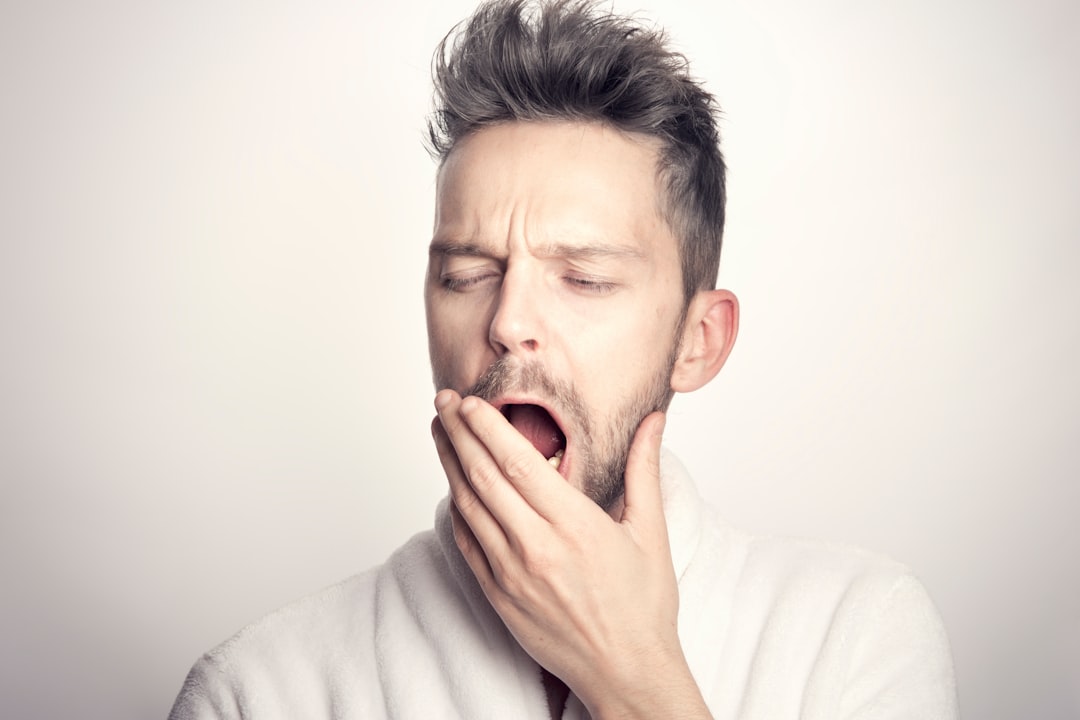
Yawning
Facial movement
Because the TMJs are used constantly, even small amounts of dysfunction can create significant symptoms.
According to the National Institute of Dental and Craniofacial Research, TMJ disorders affect millions of Americans and are more common than many people realize [1].
Understanding TMJ Disorders
TMJ disorders refer to a group of conditions affecting:
The jaw joints
Surrounding muscles
Supporting ligaments
Associated nerves
Symptoms may range from mild discomfort to significant functional limitations.
Research suggests TMJ disorders often involve multiple contributing factors rather than a single cause [2].
Common Symptoms of TMJ Dysfunction
Patients throughout Dunedin and Pinellas County frequently report:
Jaw pain
Jaw clicking or popping
Facial tension
Headaches
Ear pressure
Neck pain
Difficulty chewing
Jaw locking
Limited jaw opening
Pain while talking
Teeth grinding
Clenching
Symptoms may occur on one side or both sides of the jaw.
Why TMJ Disorders Are Often Misdiagnosed
One of the challenges with TMJ disorders is that symptoms frequently mimic other conditions.
Many patients throughout Dunedin and Pinellas County initially seek care for:
Ear pain
Headaches
Neck pain
Facial pain
Sinus pressure
Tooth discomfort
without realizing the jaw may be contributing to their symptoms.
Because the temporomandibular joint sits close to the ears, cheeks, and temples, symptoms can radiate into surrounding structures.
Research suggests many patients with TMJ dysfunction experience symptoms beyond the jaw itself [10].
TMJ and Ear Symptoms
TMJ dysfunction may contribute to symptoms such as:
Ear fullness
Ear pressure
Ringing in the ears
Sensations of clogged ears
Because the jaw joint sits directly in front of the ear canal, irritation within the TMJ region may create referred sensations.
TMJ and Facial Pain
The muscles involved in chewing and jaw movement can develop significant tension.
When these muscles become irritated, patients may experience:
Facial soreness
Cheek pain
Temple discomfort
Jaw fatigue
These symptoms may worsen during periods of stress or clenching.
The Relationship Between the Jaw, Neck, and Nervous System
One of the most overlooked aspects of TMJ dysfunction is the close relationship between the jaw and the cervical spine.
The jaw does not function independently.
It relies on coordination between:
The neck
Upper back
Muscles of the head and face
Nervous system
Research demonstrates significant relationships between cervical spine dysfunction and temporomandibular disorders [3].
Why Neck Problems Can Affect the Jaw
The muscles of the neck and jaw work together constantly.
Poor posture, cervical dysfunction, and muscle tension may contribute to:
Jaw pain
Clicking
Headaches
Muscle tightness
This is one reason patients experiencing TMJ symptoms often also report neck discomfort.
Forward Head Posture and TMJ
Forward head posture has become increasingly common due to:
Smartphone use
Computer work
Desk jobs
Poor ergonomics
Research suggests forward head posture may alter jaw mechanics and contribute to TMJ dysfunction [4].
For many residents throughout Dunedin and Pinellas County, posture plays a major role in chronic jaw symptoms.
The Upper Neck and TMJ Connection
The upper cervical spine shares important neurological and biomechanical relationships with the jaw.
Dysfunction within the upper neck may contribute to:
Headaches
Jaw tension
Restricted jaw movement
Facial discomfort
This is why evaluation of both the jaw and cervical spine is important.
Common Causes of TMJ Disorders
TMJ disorders rarely develop from a single factor.
Several contributing factors may be involved.
Teeth Grinding and Clenching
Bruxism places tremendous stress on the jaw joints and surrounding muscles.
Many people grind or clench their teeth without realizing it, particularly during sleep.
Chronic Stress
Stress often contributes to:
Jaw clenching
Muscle tension
Teeth grinding
Research consistently links psychological stress with increased TMJ symptoms [5].
Trauma and Injury
Past injuries involving:
The jaw
Face
Neck
Head
may contribute to long-term dysfunction.
Postural Dysfunction
Poor posture can alter muscle balance and place abnormal stress on the jaw.
Sleep Disturbances
Sleep problems frequently contribute to clenching, grinding, and muscular tension.
The Role of Stress in TMJ Disorders
Stress is one of the most common contributing factors associated with TMJ dysfunction.
For many patients throughout Dunedin and Pinellas County, periods of increased stress correspond with worsening jaw pain.
How Stress Affects Jaw Function
When people experience stress, they often unconsciously:
Clench their teeth
Tighten facial muscles
Grind their teeth at night
Hold tension in the jaw
Over time, these habits place substantial stress on the jaw joints and surrounding muscles.
Nighttime Bruxism
Bruxism refers to involuntary grinding or clenching of the teeth.
Common signs include:
Waking with jaw soreness
Morning headaches
Tooth wear
Facial tension
According to the American Dental Association, bruxism frequently occurs during sleep and is commonly associated with stress [11].
Nervous System Regulation
The nervous system controls numerous digestive processes including:
Intestinal movement
Digestive secretions
Organ communication
Stress responses
When spinal dysfunction contributes to neurological stress, overall body function may be affected.
Gentle chiropractic adjustments help restore motion and support healthy nervous system communication.
How TMJ Disorders Affect Daily Life
Many patients underestimate the impact TMJ dysfunction can have on overall health.
Common consequences include:
Difficulty eating
Frequent headaches
Poor sleep
Increased stress
Reduced concentration
Facial discomfort
Ear symptoms
TMJ disorders often become a cycle where pain increases stress and stress worsens symptoms.
TMJ Disorders and Headaches
Many people experiencing chronic headaches are unaware their jaw may be contributing.
Research suggests TMJ dysfunction is frequently associated with:
Tension headaches
Migraine symptoms
Facial pain
Neck pain [6]
Because the jaw and neck share neurological connections, irritation in one area may influence symptoms elsewhere.
How Poor Posture Contributes to TMJ Dysfunction
Many residents throughout Dunedin and Pinellas County spend hours each day:
Working at computers
Looking at smartphones
Driving
Watching television
These activities often encourage forward head posture.
When the head moves forward, the jaw position often changes as well.
This altered alignment may increase stress on:
Jaw joints
Neck muscles
Facial muscles
Upper cervical structures
Research suggests posture may significantly influence temporomandibular mechanics [13].
What to Expect During a TMJ Evaluation
AAt Bach Chiropractic, we evaluate more than just the jaw itself.
Our assessment may include:
Postural evaluation
Cervical spine assessment
Jaw movement analysis
Muscular tension evaluation
Neurological screening
This comprehensive approach helps identify contributing factors that may influence symptoms.
Jaw Motion Assessment
We assess:
Jaw opening
Jaw closing
Side-to-side movement
Joint sounds
Movement symmetry
Restricted or painful movement patterns often provide important clinical information.
Postural Assessment
We evaluate:
Head position
Shoulder alignment
Cervical posture
Upper back mechanics
Addressing postural dysfunction may improve long-term outcomes.
How Chiropractic Care May Help TMJ Dysfunction
Chiropractic care focuses on supporting proper joint function and nervous system health.
Research has investigated manual therapy approaches for TMJ disorders and associated symptoms [7].
Evaluating the Cervical Spine
The neck often plays a significant role in jaw dysfunction.
Assessment of cervical mobility, posture, and muscular balance is important.
Supporting Healthy Joint Mechanics
Gentle chiropractic adjustments may help improve motion and reduce mechanical stress within related structures.
Improving Posture
Correcting postural dysfunction may reduce strain placed on the jaw and surrounding muscles.
Supporting Nervous System Function
The nervous system coordinates movement, sensation, and muscular activity throughout the jaw and neck region.
Supporting healthy nervous system communication may improve overall function.
Needle-less Acupuncture for TMJ Relief
At Bach Chiropractic, we offer needle-less acupuncture options for patients who prefer non-invasive care.
What Is Needle-less Acupuncture?
Needle-less acupuncture stimulates traditional acupuncture points without traditional needles.
Methods may include:
Microcurrent stimulation
Acupressure point activation
Microcurrent Stimulation
Microcurrent therapy utilizes gentle electrical stimulation designed to support recovery and relaxation.
Potential benefits may include:
Improved circulation
Reduced muscle tension
Enhanced relaxation
Support for recovery
Acupressure Point Activation
Specific points traditionally associated with facial tension, stress reduction, and pain relief may be stimulated without needles.
How Needle-less Acupuncture May Support TMJ Recovery
Potential benefits may include:
Reduced muscle tension
Improved relaxation
Better sleep quality
Enhanced circulation
Nervous system support
Research continues to investigate acupuncture's role in managing temporomandibular disorders [9].
Why Combining Chiropractic and Needle-less Acupuncture Works
TMJ dysfunction often involves:
Joint dysfunction
Muscle tension
Stress
Postural abnormalities
Nervous system imbalance
Combining chiropractic care and needle-less acupuncture addresses multiple contributing factors simultaneously.
At-Home Strategies for Managing TMJ Symptoms
In addition to professional care, several home strategies may help support recovery.
Avoid Excessive Gum Chewing
Constant chewing can increase stress on irritated jaw joints.
Eat Softer Foods During Flare-Ups
Patients often benefit from temporarily choosing:
Smoothies
Soups
Soft proteins
Cooked vegetables
during significant flare-ups.
Practice Jaw Relaxation Awareness
A helpful reminder is:
"Lips together, teeth apart."
This helps reduce unnecessary jaw tension throughout the day.
Improve Workstation Ergonomics
Proper monitor height and sitting posture may reduce stress on the jaw and neck.
Prioritize Sleep Quality
Poor sleep often contributes to:
Increased pain sensitivity
Teeth grinding
Stress
Improving sleep habits may positively influence TMJ symptoms.
Long-Term Benefits of Addressing TMJ Dysfunction
Patients who address contributing factors early often experience improvements in:
Jaw comfort
Headache frequency
Neck mobility
Sleep quality
Stress levels
Overall quality of life
Because TMJ disorders frequently involve multiple systems, a comprehensive approach often produces the best results.
Frequently Asked Questions
Can TMJ Cause Headaches?
Yes. TMJ dysfunction is frequently associated with headaches and facial pain.
Is Jaw Clicking Always Serious?
Not necessarily. However, persistent clicking accompanied by pain should be evaluated.
Is Needle-less Acupuncture Painful?
No. Treatments are gentle and non-invasive.
How Many Visits Will I Need?
Recommendations vary depending on symptom severity and contributing factors.
Why Patients Throughout Dunedin and Pinellas County Choose Bach Chiropractic
Patients choose our office because we provide:
Personalized care plans
Gentle chiropractic adjustments
Needle-less acupuncture options
Drug-free care
Whole-body wellness support
Schedule Your Appointment
If jaw pain, TMJ symptoms, headaches, facial tension, neck discomfort, or chronic clenching are affecting your quality of life in Dunedin, FL or anywhere throughout Pinellas County, natural relief may be available. We would be honored to serve you. Schedule your appointment today!
References:
National Institute of Dental and Craniofacial Research. TMJ Disorders Overview.
American Academy of Orofacial Pain. Temporomandibular Disorders Guidelines.
Armijo-Olivo S, et al. The Association Between Cervical Spine Disorders and Temporomandibular Disorders. Journal of Oral Rehabilitation.
Journal of Physical Therapy Science. Forward Head Posture and Temporomandibular Joint Dysfunction.
Manfredini D, et al. Psychological Factors and Temporomandibular Disorders. Journal of Oral Rehabilitation.
American Migraine Foundation. TMJ Disorders and Headaches.
Journal of Manipulative and Physiological Therapeutics. Manual Therapy for Temporomandibular Disorders.
World Association for Photobiomodulation Therapy. Clinical Guidelines for Low-Level Laser Therapy.
National Center for Complementary and Integrative Health (NCCIH). Acupuncture and Pain Management.
National Institute of Dental and Craniofacial Research. Temporomandibular Joint Disorders Overview.
American Dental Association. Bruxism and Teeth Grinding.
Okeson JP. Management of Temporomandibular Disorders and Occlusion.
Journal of Oral Rehabilitation. Temporomandibular Disorders and Postural Relationships.
Cranio: The Journal of Craniomandibular Practice. Cervical Spine and TMJ Dysfunction.
Frontiers in Neurology. Musculoskeletal Contributions to Temporomandibular Disorders.